If you're keeping money in a regular savings account, you may be wondering whether your money could earn more interest without taking on investment-market risk.
A high-yield savings account is a type of savings account that typically offers a higher annual percentage yield (APY) than many traditional savings accounts.
These accounts can be useful for money you want to keep relatively accessible while earning interest.
This guide explains what a high-yield savings account is, how it works, how APY is calculated, what to look for, and how it compares with other ways to save money.
What Is a High-Yield Savings Account?
A high-yield savings account is a savings account designed to pay a relatively competitive interest rate on your deposited money.
For example, imagine you deposit:
$10,000
If the account offers a hypothetical 4% APY, you could earn approximately $400 over a year if the balance remained unchanged and the APY stayed the same.
The actual amount can differ depending on the account's terms, compounding, balance changes, and whether the APY changes during the year.
Unlike stocks or other market investments, a savings account generally isn't designed for long-term capital growth through market appreciation.
Instead, the goal is to keep your money relatively accessible while earning interest.
What Does APY Mean?
APY stands for Annual Percentage Yield.
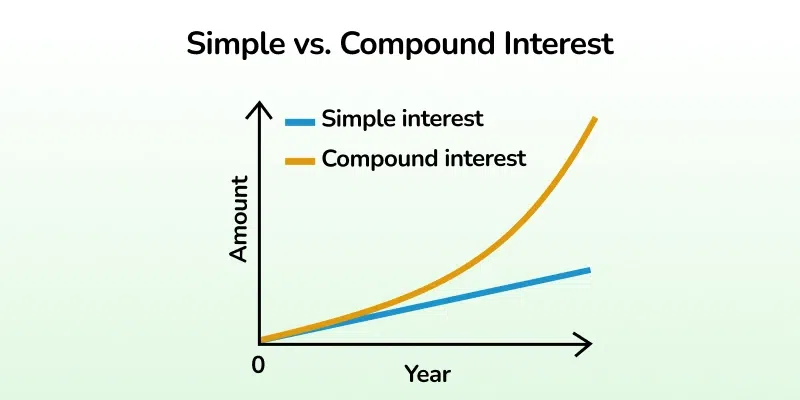
It represents the amount of interest you could earn over one year, taking compounding into account.
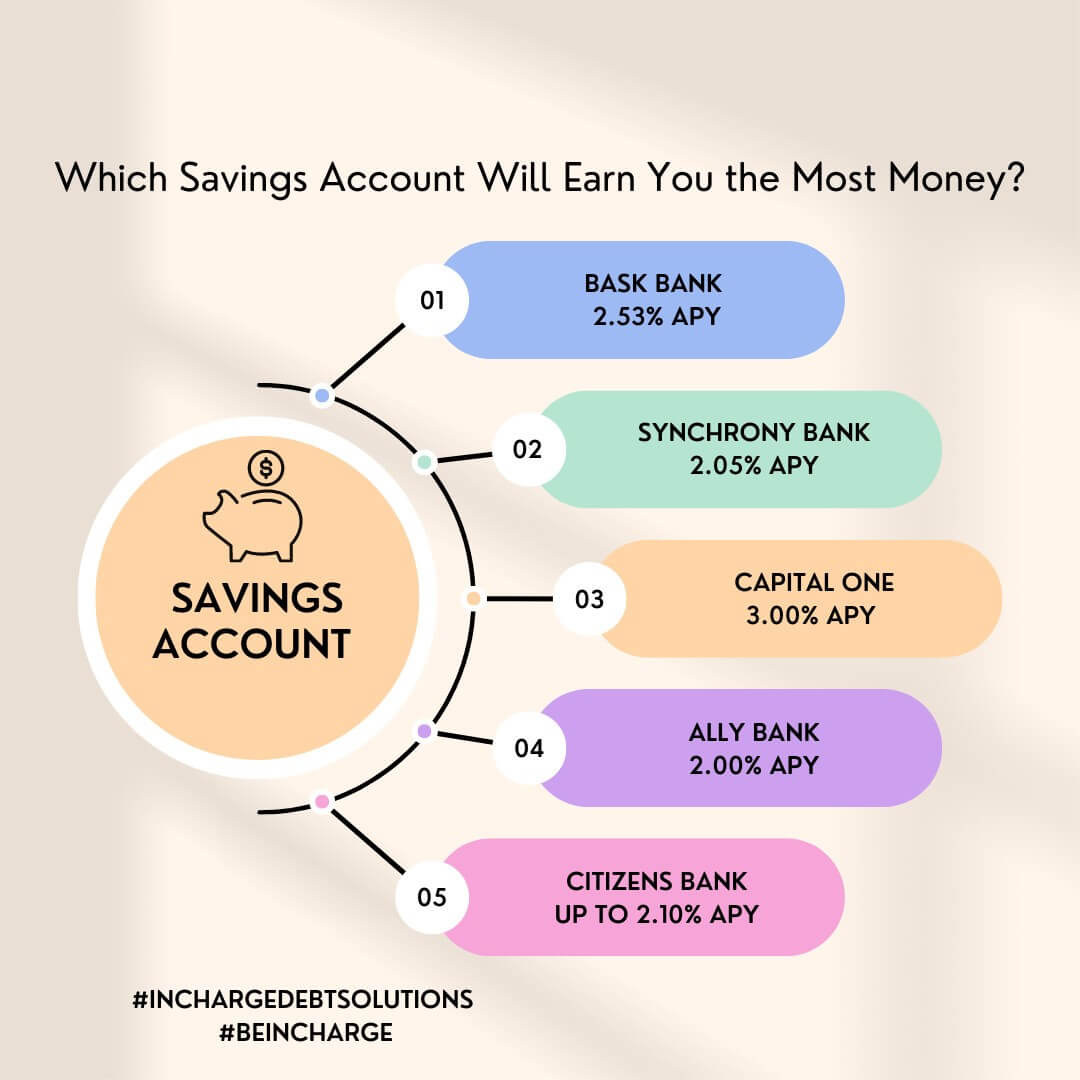
APY is particularly useful when comparing savings accounts because it gives you a standardized way to compare the potential annual return.
For example:
* Account A: 0.50% APY
* Account B: 2.00% APY
* Account C: 4.00% APY
If other terms were identical, the account with the higher APY would generally provide more interest on the same balance.
However, APYs can change, especially with variable-rate savings accounts.
APY vs. Interest Rate
These terms are related but aren't exactly the same.
Interest Rate
The interest rate is the rate used to calculate the interest paid on your balance.
APY
APY takes the effect of compounding into account.
When comparing savings accounts, APY is often the more useful number to examine.
How Does a High-Yield Savings Account Work?
The basic process is simple.
Step 1: Open the Account
You apply for an account with a bank or other eligible financial institution.
You may need to provide:
* Name
* Address
* Social Security number or other required identification
* Date of birth
* Government-issued ID
* Funding account information
Requirements vary by financial institution.
Step 2: Deposit Money
After the account is opened, you transfer money into it.
You may be able to fund the account through:
* Bank transfer
* Direct deposit
* Mobile check deposit
* Wire transfer
* Other supported methods
Step 3: Earn Interest
The financial institution pays interest according to the account's terms.
Interest may be calculated daily and credited monthly, although the exact method varies.
Step 4: Withdraw or Transfer Money
You can generally access your money when needed, subject to the account's terms and any applicable fees or restrictions.
How Much Can You Earn With a High-Yield Savings Account?
Your earnings depend primarily on:
* Account balance
* APY
* How long the money remains deposited
* Changes in the APY
* Compounding
Example
Suppose you deposit:
$10,000
And the account offers a hypothetical:
4% APY
If the APY remained unchanged for a full year and there were no withdrawals, you would earn roughly:
$400
The actual result may differ because savings rates are generally variable and can change over time.
Another Example
Suppose you have:
$25,000
At a hypothetical 4% APY, the annual interest would be approximately:
$1,000
Again, this is an illustration rather than a guaranteed return.
Are High-Yield Savings Accounts Safe?
The safety of a savings account depends partly on the institution offering it and the applicable deposit insurance.
For U.S. consumers, deposits at an FDIC-insured bank are generally insured up to applicable legal limits.
The standard FDIC deposit insurance coverage is generally up to:
$250,000 per depositor, per insured bank, for each ownership category.
Credit unions may instead have federal share insurance through the NCUA, subject to applicable rules and limits.
Before depositing a large amount of money, verify the institution's insurance status and understand how coverage applies to your account ownership.
High-Yield Savings Account vs. Regular Savings Account
The primary difference is usually the interest rate offered.
| Feature | High-Yield Savings | Traditional Savings |
| --------------- | ------------------------------ | ------------------------------ |
| Interest | Often higher | Often lower |
| Accessibility | Generally easy | Generally easy |
| Risk | Low when appropriately insured | Low when appropriately insured |
| Market exposure | None | None |
| Best use | Savings and emergency funds | General savings |
| APY | Can be competitive | Often less competitive |
Rates vary significantly between financial institutions, so always compare current terms rather than relying on account labels.
High-Yield Savings vs. Checking Account
A checking account is primarily designed for everyday transactions.
You may use it for:
* Bills
* Debit-card purchases
* Direct deposits
* ATM withdrawals
* Everyday spending
A high-yield savings account is generally designed more for storing money and earning interest.
Many people use both:
Checking account → everyday spending
Savings account → money set aside
High-Yield Savings vs. Certificate of Deposit
A certificate of deposit (CD) generally requires you to keep your money deposited for a specific period.
For example, a CD might have a term of:
* 3 months
* 6 months
* 1 year
* 2 years
Withdrawing money early may result in a penalty depending on the CD's terms.
A high-yield savings account generally provides more flexibility for accessing your money.
Savings Account
More flexibility
CD
Potentially more predictable rate for the agreed term
The better option depends on when you need the money and the terms available.
High-Yield Savings vs. Money Market Account
Money market accounts are deposit accounts that may offer competitive interest rates and may include features such as check-writing or debit-card access, depending on the institution.
The exact features and rates vary.
When comparing a money market account with a high-yield savings account, look at:
* APY
* Minimum balance
* Monthly fees
* Withdrawal rules
* Access options
* Deposit insurance
* Other account requirements
What Is a Good Use for a High-Yield Savings Account?
A high-yield savings account can be useful for money you don't need for everyday spending but may need relatively soon.
Common uses include:
Emergency Fund
Money set aside for unexpected expenses.
Down Payment Savings
Money you're saving toward a future home purchase.
Car Purchase
Money reserved for a vehicle purchase.
Vacation Fund
Money saved for an upcoming trip.
Tax Savings
Money set aside for expected tax obligations.
Business Reserve
Money reserved for upcoming business expenses, depending on your financial structure and banking needs.
How Much Should You Keep in a High-Yield Savings Account?
There is no universal amount.
Your savings target depends on:
* Monthly expenses
* Income stability
* Household size
* Debt
* Insurance
* Employment situation
* Upcoming expenses
For an emergency fund, some financial professionals commonly suggest building enough savings to cover several months of essential expenses.
The appropriate amount depends on your circumstances.
Are High-Yield Savings Accounts Good for Emergency Funds?
They can be useful for emergency savings because they may combine:
* Interest earnings
* Accessibility
* Lower market risk than investments
* Deposit insurance when held at an appropriately insured institution
The main goal of an emergency fund is usually accessibility and stability rather than maximizing investment returns.
Can You Lose Money in a High-Yield Savings Account?
A savings account at an appropriately insured institution is generally considered a low-risk place to keep cash within applicable insurance limits.
However, there are still things to consider.
For example:
* The APY can decrease.
* Fees can reduce your earnings.
* Inflation can reduce purchasing power over time.
* Balances above applicable insurance limits may require additional planning.
* Terms can vary between financial institutions.
A high-yield savings account is not the same thing as a guaranteed fixed return for a specific period.
Can the Interest Rate Change?
Yes.
Many high-yield savings accounts have variable interest rates.
That means a bank can change the APY.
For example, an account offering 4% today could offer a different rate later.
This is one reason it's important to check the current APY rather than assuming today's rate will remain unchanged.
Are High-Yield Savings Accounts Taxable?
In the United States, interest earned from a savings account is generally taxable income.
Financial institutions may provide tax reporting documents when required.
Your individual tax situation can depend on your circumstances, so consider consulting a qualified tax professional if you have questions about reporting interest income.
Are There Fees?
Some high-yield savings accounts have few or no monthly maintenance fees, but this isn't universal.
Before opening an account, check for:
* Monthly maintenance fees
* Excess transaction fees
* Minimum balance requirements
* Transfer fees
* Wire fees
* ATM fees
* Other account charges
A slightly higher APY may not be beneficial if the account has significant fees that reduce your actual earnings.
What Should You Look for When Choosing a High-Yield Savings Account?
Don't choose an account based only on the advertised APY.
Consider the complete package.
1. APY
Compare the current annual percentage yield.
2. Deposit Insurance
Confirm whether the institution is appropriately insured and understand the applicable coverage limits.
3. Fees
Look for monthly fees and other charges.
4. Minimum Balance
Some accounts require a minimum deposit or balance.
5. Access to Money
Check how easily you can transfer funds when needed.
6. Transfer Times
Find out how long transfers typically take.
7. Customer Support
Good customer service can be valuable if you experience account problems.
8. Online and Mobile Banking
If the account is primarily online, check whether the website and mobile app provide the features you need.
How to Find the Best High-Yield Savings Account
The "best" account depends on your needs rather than one universal choice.
When comparing accounts, create a simple table:
| Feature | Bank A | Bank B | Bank C |
| ----------------- | ------------------ | ------------------ | ------------------ |
| APY | Check current rate | Check current rate | Check current rate |
| Monthly fee | Check terms | Check terms | Check terms |
| Minimum balance | Check terms | Check terms | Check terms |
| Deposit insurance | Verify | Verify | Verify |
| Transfer options | Compare | Compare | Compare |
| ATM access | Compare | Compare | Compare |
This makes it easier to evaluate accounts objectively.
Advantages of a High-Yield Savings Account
Potential benefits include:
* Higher interest than some traditional savings accounts
* Easy access to cash
* No stock-market exposure
* Potential FDIC or NCUA insurance when applicable
* Useful for emergency savings
* Simple to understand
* Suitable for short-term savings goals
Disadvantages of a High-Yield Savings Account
Potential drawbacks include:
* APY can change
* Interest may not keep up with inflation
* Some accounts have restrictions or fees
* Online-only banks may have limited physical branches
* It may not provide enough long-term growth for retirement goals
For long-term goals, people may consider a diversified investment strategy rather than keeping all savings in cash.
Common Mistakes to Avoid
Chasing the Highest APY Without Reading the Terms
A high advertised rate doesn't tell you everything.
Ignoring Fees
Fees can reduce your actual earnings.
Forgetting About Rate Changes
Variable APYs can move over time.
Keeping Too Much Cash
Money needed for long-term goals may have different investment considerations.
Keeping Too Little Emergency Savings
Don't focus so much on earning interest that you leave yourself without accessible emergency cash.
Ignoring Deposit Insurance
Verify the insurance status and understand coverage limits before depositing large amounts.
How to Open a High-Yield Savings Account
The process is usually straightforward.
Step 1: Compare Accounts
Review APYs, fees, minimum balances, insurance, and access.
Step 2: Verify the Institution
Confirm that the bank or credit union is properly insured.
Step 3: Apply
Complete the application and provide the required information.
Step 4: Fund the Account
Transfer money from another bank account or use another supported funding method.
Step 5: Set Up Automatic Savings
If appropriate, schedule regular transfers into the account.
Automatic contributions can make it easier to build savings consistently.
Final Thoughts
A high-yield savings account can be a useful tool for people who want to keep cash accessible while earning interest.
It's particularly useful for goals such as emergency funds, short-term savings, planned purchases, and other money that doesn't necessarily belong in the stock market.
However, the highest advertised APY isn't the only factor to consider.
Before opening an account, compare the APY, fees, minimum balance requirements, withdrawal and transfer options, customer service, and deposit insurance.
Your savings strategy should match the purpose and time horizon of your money.
Frequently Asked Questions
What is a high-yield savings account?
A high-yield savings account is a savings account that generally offers a higher APY than many traditional savings accounts.
Are high-yield savings accounts safe?
Savings accounts at appropriately insured U.S. banks are generally protected by FDIC insurance within applicable limits. Federally insured credit unions may have NCUA share insurance.
How much money should I put in a high-yield savings account?
The amount depends on your emergency fund, short-term goals, monthly expenses, and overall financial plan.
Can I withdraw money from a high-yield savings account?
Generally yes, but account terms, transfer policies, and applicable restrictions can vary.
Can a high-yield savings account lose value?
The account balance itself doesn't normally fluctuate like a stock investment, but fees and withdrawals can reduce the balance, and inflation can reduce purchasing power.
Is interest from a high-yield savings account taxable?
Interest earned in a U.S. savings account is generally taxable income, subject to applicable tax rules.
Is a high-yield savings account better than a CD?
It depends on your needs. A savings account generally provides more flexibility, while a CD may offer a fixed rate for a specific term.
Should I use a high-yield savings account for retirement?
A high-yield savings account can hold cash, but retirement savings often involve a longer time horizon and may require considering other investment options.
SEO Pack
Primary Keyword:
high yield savings account
Secondary Keywords:
* what is a high yield savings account
* high yield savings account USA
* high yield savings account explained
* how does a high yield savings account work
* best high yield savings account
* savings account with high interest
* high APY savings account
* high yield savings vs regular savings
* APY savings account
* high yield savings account benefits