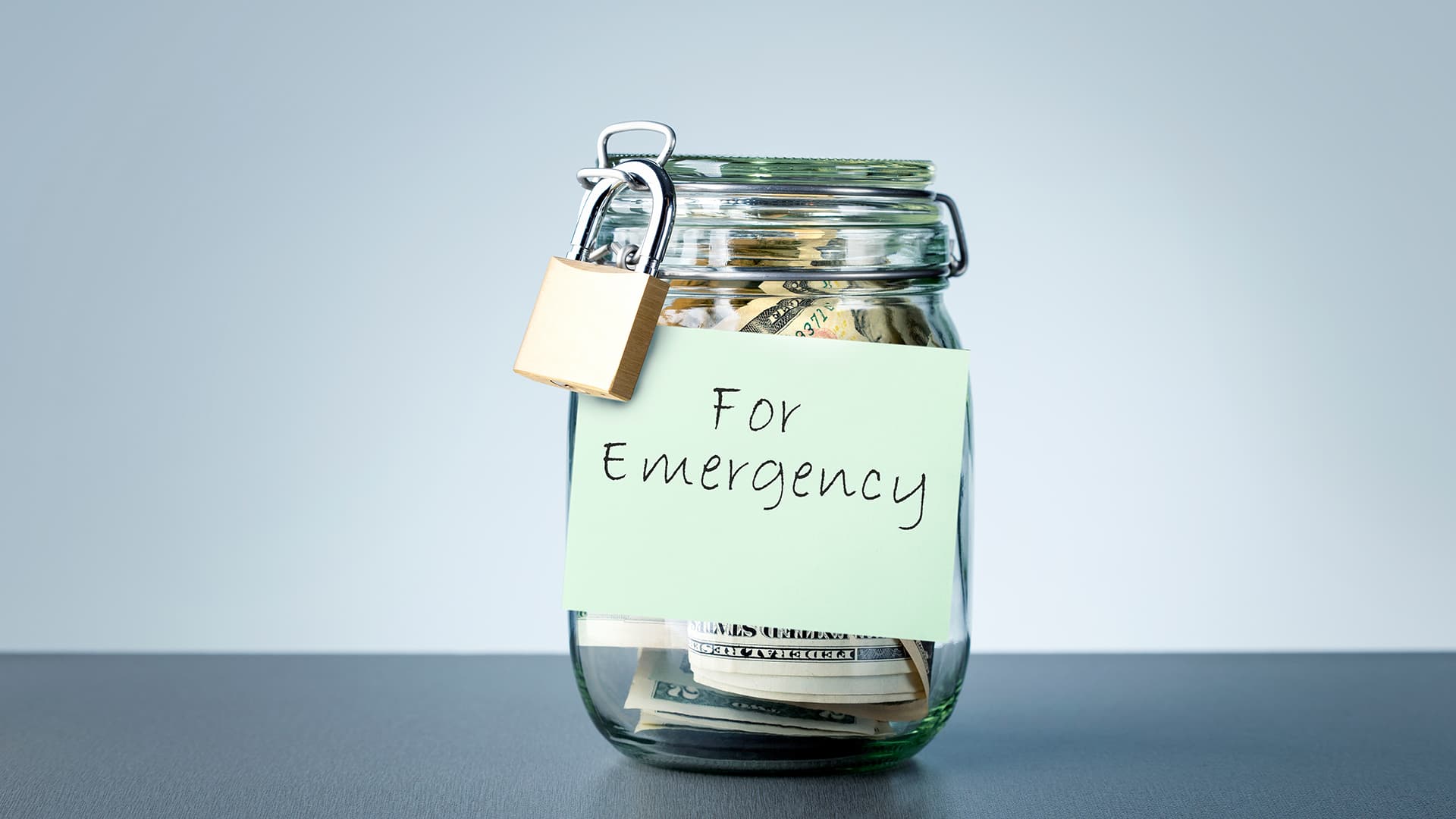
Unexpected expenses can happen at any time. A car repair, medical bill, job loss, home repair, or other financial emergency can put pressure on your monthly budget.
An emergency fund is money set aside specifically for unexpected expenses. Building one can provide a financial cushion and reduce the need to rely on credit cards or loans when an emergency occurs.
How Much Should You Save?
There is no single emergency-fund amount that works for everyone.
A common approach is to gradually build enough savings to cover several months of essential expenses. Your target may depend on factors such as:
Monthly living expenses
Job stability
Household income
Debt obligations
Number of people you support
Health and insurance coverage
Availability of other financial resources
If saving several months of expenses feels difficult, starting with a smaller target can still be useful.
Start With a Small Goal
You do not need to build your entire emergency fund immediately.
Start with an achievable amount and increase it over time. For example, you could set an initial savings goal and then contribute a fixed amount from every paycheck.
The important part is creating a consistent savings habit.
Automate Your Savings
One of the simplest ways to build an emergency fund is to automate your contributions.
You can arrange for a specific amount of money to move into a separate savings account regularly. Automating the process reduces the need to remember to save each month.
Keep Emergency Savings Accessible
Emergency money generally needs to be available when an unexpected expense occurs. Consider keeping your emergency savings in an appropriate savings account or another relatively accessible option rather than placing all of it in investments that can fluctuate in value.
Avoid Using the Fund for Non-Emergencies
Try to reserve your emergency fund for genuine unexpected expenses.
Before withdrawing money, ask yourself whether the expense is:
Unexpected + Necessary + Important enough to use your emergency savings
If it is a planned expense, consider creating a separate savings goal instead.
Rebuild Your Fund After Using It
If you need to use your emergency savings, do not consider the process finished.
Once the emergency has passed, start rebuilding the amount you used. Even small regular contributions can gradually restore your financial cushion.
Review Your Emergency Fund Regularly
Your financial situation can change over time. A new job, higher rent, marriage, children, debt, or major lifestyle change may affect your monthly expenses.
Review your emergency-fund target periodically and adjust it when your circumstances change.