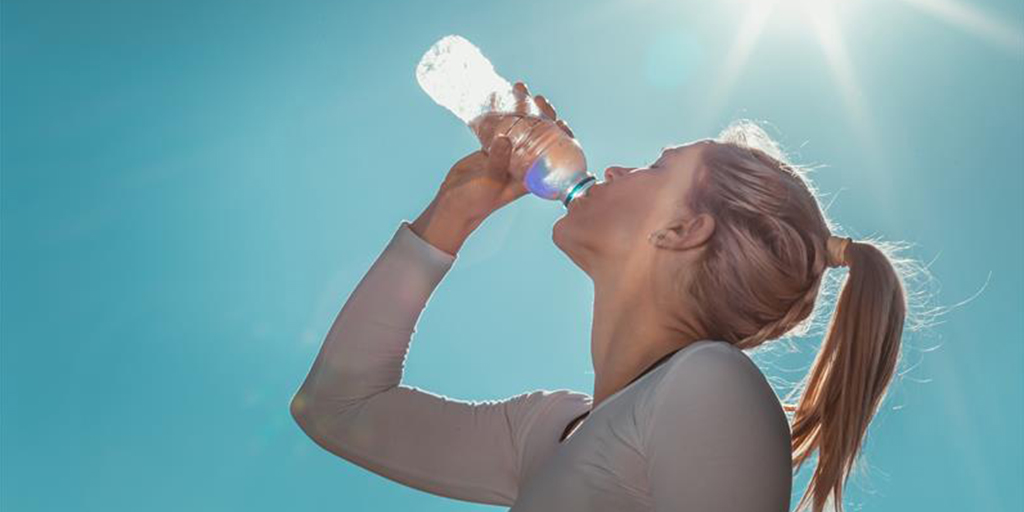
Water is essential for almost every function in the human body. It helps regulate body temperature, supports digestion, carries nutrients, lubricates joints, and helps the body remove waste.
But how much water should you drink a day? The answer is not exactly the same for everyone. Your age, activity level, climate, diet, health, and other factors can all affect how much fluid your body needs.
This guide explains daily water intake, common signs of dehydration, and simple ways to stay hydrated.
How Much Water Should You Drink a Day?
There is no single amount of water that is perfect for every person.
A commonly referenced guideline from the U.S. National Academies of Sciences, Engineering, and Medicine estimates total daily water intake of approximately:
Men: 3.7 liters (about 125 ounces) of total water per day
Women: 2.7 liters (about 91 ounces) of total water per day
These figures include water from all beverages and foods, not just plain drinking water.
Because food can provide a significant portion of daily fluid intake, you do not necessarily need to drink the entire amount as water.
Does Everyone Need the Same Amount of Water?
No. Your hydration needs can change depending on several factors.
1. Physical Activity
Exercise increases fluid loss through sweat. If you exercise frequently or intensely, you may need additional fluids.
Long workouts or heavy sweating may also increase the need to replace electrolytes.
2. Hot or Humid Weather
Hot weather can increase sweating and fluid loss. People who spend a lot of time outdoors may need to drink more fluids.
3. Illness
Fever, vomiting, and diarrhea can cause significant fluid loss and increase the risk of dehydration.
4. Pregnancy and Breastfeeding
Fluid needs can increase during pregnancy and breastfeeding. Individual needs vary, so discuss hydration with your healthcare professional if you are unsure.
5. Diet
Fruits and vegetables contain substantial amounts of water. Foods such as watermelon, oranges, strawberries, cucumbers, tomatoes, and soups can contribute to your daily fluid intake.
What Are the Signs of Dehydration?
Dehydration happens when your body loses more fluid than it takes in.
Common signs may include:
Thirst
Dry mouth
Dark yellow urine
Urinating less frequently
Tiredness
Headache
Dizziness
Dry skin
Reduced physical performance
Difficulty concentrating
Thirst can be one indication that you need more fluids, although thirst is not always a perfect measure of hydration.
What Color Should Your Urine Be?
Urine color can provide a general indication of hydration.
Pale yellow urine often suggests adequate hydration, while darker yellow urine can occur when you need more fluids.
However, urine color can also be affected by medications, supplements, certain foods, and medical conditions, so it should not be treated as a diagnostic test.
Can You Drink Too Much Water?
Yes.
Although dehydration is a common concern, drinking excessive amounts of water in a short period can be dangerous.
Too much water can dilute the sodium level in your blood, a condition known as hyponatremia.
Possible symptoms can include:
Nausea
Headache
Confusion
Vomiting
Muscle weakness
Seizures in severe cases
You generally do not need to force yourself to drink extremely large amounts of water if you are not thirsty.
How Can You Stay Hydrated Throughout the Day?
Staying hydrated does not have to be complicated.
Carry a Reusable Water Bottle
Keeping water nearby can make it easier to drink regularly throughout the day.
Drink With Meals
Having water with breakfast, lunch, and dinner is an easy way to build hydration into your daily routine.
Eat Water-Rich Foods
Add foods such as:
Watermelon
Cucumbers
Oranges
Strawberries
Melons
Tomatoes
Lettuce
Soups
Drink Before, During, and After Exercise
If you exercise or sweat heavily, pay attention to fluid loss and replace fluids appropriately.
Limit Excessive Alcohol
Alcohol can contribute to fluid loss and may make it harder to maintain good hydration.
Water vs. Other Beverages
Plain water is an excellent choice for hydration and contains no added sugar or calories.
Other beverages can also contribute to total fluid intake, including:
Milk
Unsweetened tea
Sparkling water
Some low-sugar beverages
However, beverages high in added sugar can increase calorie intake, while excessive caffeine or alcohol may not be ideal choices for hydration.
How Much Water Should You Drink During Exercise?
There is no universal amount because fluid requirements depend on exercise intensity, duration, temperature, humidity, and how much you sweat.
For shorter, moderate activities, drinking water regularly may be sufficient.
For prolonged or intense exercise, especially in hot conditions, you may need a strategy for replacing both fluids and electrolytes.
If you participate in endurance sports or regularly exercise for long periods, consider discussing your hydration strategy with a qualified healthcare professional or sports nutrition professional.