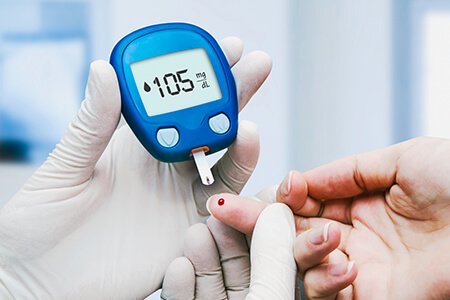
Diabetes can develop gradually, and some people may have few or no noticeable symptoms in the early stages. Others may notice changes such as increased thirst, frequent urination, unusual tiredness, or blurred vision.
Recognizing the early signs of diabetes can encourage people to seek appropriate medical advice and get tested when necessary.
In this guide, we'll explain common diabetes symptoms, early warning signs, risk factors, and when you should talk with a healthcare professional.
What Is Diabetes?
Diabetes is a chronic condition that affects how the body regulates blood glucose, commonly called blood sugar.
Glucose is an important source of energy for the body. Insulin helps glucose move from the bloodstream into cells.
When the body doesn't produce enough insulin, doesn't use insulin effectively, or both, blood glucose can become too high.
10 Early Signs of Diabetes
The symptoms of diabetes can vary between people. Some of the most commonly recognized signs include:
1. Frequent Urination
Needing to urinate more often than usual can be associated with high blood sugar.
When glucose levels become elevated, the kidneys may work to remove excess glucose through urine. This can increase urination.
If you suddenly find yourself using the bathroom much more frequently—particularly at night—it may be worth discussing with a healthcare professional.
2. Increased Thirst
Frequent urination can contribute to fluid loss, which may make you feel unusually thirsty.
Persistent excessive thirst shouldn't automatically be assumed to be diabetes, but it can be one of the symptoms associated with high blood glucose.
3. Increased Hunger
Some people with diabetes experience increased hunger, even after eating.
When glucose isn't effectively entering cells for energy, the body may signal that it needs more fuel.
However, increased appetite can have many possible causes.
4. Unexplained Weight Loss
Unexpected weight loss can occur, particularly with untreated type 1 diabetes.
When the body cannot use glucose effectively, it may begin using stored fat and muscle for energy.
Unexplained weight loss should be evaluated by a healthcare professional because it can have many different causes.
5. Feeling Very Tired
Persistent fatigue is another possible symptom.
Changes in blood glucose and the body's inability to use glucose effectively can contribute to feelings of tiredness.
However, fatigue is extremely common and can also result from poor sleep, stress, anemia, infections, medications, and many other conditions.
6. Blurred Vision
High blood sugar can affect fluid levels in the eye and temporarily change vision.
If your vision becomes blurry or changes unexpectedly, don't assume that diabetes is the cause. An eye-care or medical professional can help determine the underlying reason.
7. Slow-Healing Cuts and Wounds
High blood glucose can affect circulation and the body's ability to heal and fight infections.
As a result, some people with diabetes may notice that cuts or wounds take longer to heal.
A wound that isn't healing normally should be evaluated, particularly if it becomes red, swollen, painful, or produces drainage.
8. Frequent Infections
People with diabetes may be more susceptible to certain infections.
Recurring infections can have many causes, so frequent infections alone don't mean that someone has diabetes.
9. Tingling or Numbness
High blood glucose over time can damage nerves, potentially causing symptoms such as:
Tingling
Burning
Numbness
Pain
These symptoms are more commonly associated with longer-term diabetes complications rather than the earliest stage of the disease.
10. Dry or Itchy Skin
Changes in hydration and circulation can contribute to dry or itchy skin in some people with diabetes.
Again, dry skin is common and can have many unrelated causes.
Can You Have Diabetes Without Symptoms?
Yes.
Some people—particularly those with type 2 diabetes—may have few noticeable symptoms.
This is one reason diabetes screening can be important for people who have risk factors.
A person shouldn't rely solely on symptoms to determine whether they have diabetes.